(Voice of Paul) – In the heart of Dubai, as the shocking news of Russia’s invasion of Ukraine broke, I made a clear choice: to support Ukraine. The rationale was simple: Ukraine, as a sovereign state, has the right to determine its alliances and adversaries, a principle Vladimir Putin clearly disregarded. Despite being the world’s largest country by landmass, Russia’s aggression towards a nation with just 3.53% of its size is both disproportionate and unjustifiable, especially given Ukraine’s past renunciation of nuclear weapons for global peace. The irony deepened as Finland and Sweden, neighbors to Russia, joined NATO—contrary to Putin’s claims of needing a buffer zone.
The conflict took a dramatic turn last week when Ukraine launched an unexpected incursion into Russian territory. This move, while potentially altering negotiating dynamics, might also signify a deeper, more troubling escalation—Russia could be inching towards disintegration, caught in a complex web of Western influence and internal strife.
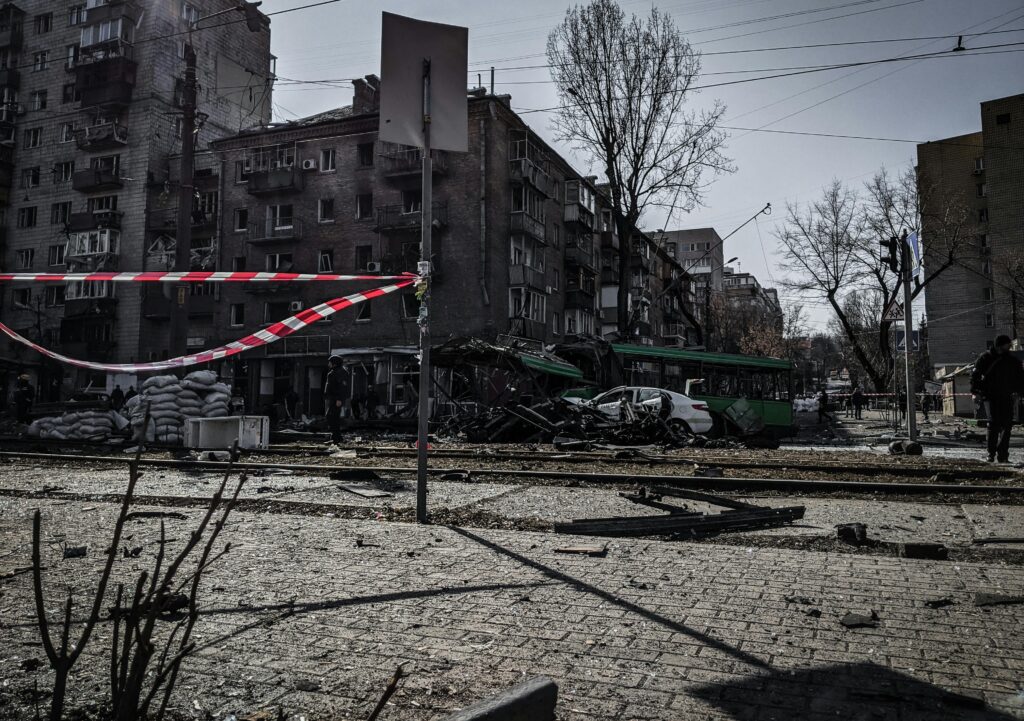
In less than two years of the Russian invasion of Ukraine, NATO has added two countries—Finland and Sweden—that were not members before. This development stands in stark contrast to Putin’s stated need for a buffer zone between Ukraine and Russia. As the war has progressed, an unexpected twist occurred last week when Ukraine made an audacious move by invading Russian territory. Despite Russia’s formidable military presence and nuclear arsenal, Ukraine’s bold action suggests a shift in the conflict’s dynamics, potentially leading to significant consequences for both nations and the global order.
Although Russia has a population of 146 million people and a significant nuclear arsenal, the recent Ukrainian incursion into its Kursk region has sparked considerable debate. While some view this as a strategic maneuver to bolster Ukraine’s negotiating power, I believe it signifies a deeper entanglement of Russia in a Western strategy aimed at destabilizing it. Since the 1812 Napoleonic invasion, Russia has been wary of Western encroachment, and recent events suggest that this historical anxiety may be resurfacing in modern form.
A few weeks ago, Russia conducted a historic prisoner swap with Western countries, involving up to 24 individuals—a subtle sign of seeking peace. Ukraine, too, showed a willingness to negotiate before Kamala Harris became the Democratic Presidential nominee. However, as Harris gained popularity, Ukraine’s strategy took a dramatic turn, escalating the conflict. This shift indicates that the war’s continuation might be tied to broader geopolitical dynamics, including the possibility of Kamala Harris’s presidency and ongoing tensions with Russia.
Although many countries, including India, the UAE, China, and Brazil, remained neutral, some have helped sustain Russia’s military efforts. Here’s the crux of the matter: The United States and the European Union are unlikely to engage in a ground invasion but are utilizing proxy and Cold War strategies. A notable example is the ongoing conflict involving Israel, Palestine, and the Arab world.
I believe Russia may be on a path to disintegration. The only joker President Putin might play is if Donald Trump becomes the 47th President of the United States. Trump could potentially halt aid to Ukraine and push for a peace deal with Russia. Otherwise, just as Greenland’s glaciers are melting, the Russian Federation may also be shrinking in influence and size.